El 9 de octubre de 2024, Cauquenes se convirtió en el epicentro de un encuentro crucial para la conservación de la biodiversidad y la sustentabilidad agrícola, ya que se realizó el primer Agro(Bio)Blitz bajo la égida del Proyecto ECO(S) of Climate Change – ATE230028. Este innovador evento se llevó a cabo en una localidad representativa de la ciudad de Cauquenes, región del Maule, destacando la vital integración de la comunidad científica con prácticas agrícolas locales. Al colaborar estrechamente con los agricultores de la zona, se fortalece la conexión entre la investigación y las tradiciones de cultivo, promoviendo un enfoque sostenible para el manejo de los recursos naturales y la biodiversidad.
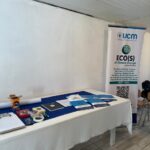
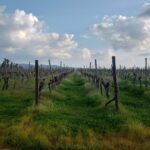
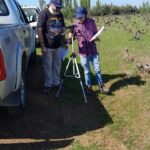
La jornada, liderada por el director del proyecto Anillos, Dr. Enrique Mundaca y su equipo, comenzó a las 10:00 AM con la división del equipo en dos grupos operativos. Un grupo se dedicó a la prospección de la agrobiodiversidad en el terreno, identificando especies clave para la agricultura de la zona, mientras que el otro se enfocó en la organización de actividades comunitarias como entrevistas, grupos focales y relatos colectivos en la sede del evento.
El Agro(Bio)Blitz, para profundizar en cómo las prácticas agrícolas influyen y son modificadas por el ecosistema local, logró captar información esencial. Las entrevistas y discusiones de grupo ofrecieron perspectivas valiosas sobre la interacción entre la agricultura y la biodiversidad, reforzando el compromiso del proyecto Anillos con la integración de conocimientos científicos y tradicionales en la conservación y sustentabilidad.
El evento culminó con un agradecimiento a los participantes, resaltando la importancia de la viticultura en la región y su papel en la conservación del patrimonio biocultural. Este primer Agro(Bio)Blitz no solo fortaleció los objetivos de investigación y conservación del Proyecto Anillos, sino que también subrayó la necesidad de un enfoque colaborativo para enfrentar los retos del cambio climático y la conservación de la biodiversidad en Chile.
A través de esta iniciativa, el Proyecto Anillos ATE230028 confirma su rol como un catalizador de cambio, promoviendo una cultura de cooperación entre científicos, agricultores y la comunidad, indispensable para asegurar un futuro sostenible para las próximas generaciones en las zonas rurales de Chile.